
The Hidden Highways of the Ocean
How unseen currents shape marine life and global stability.
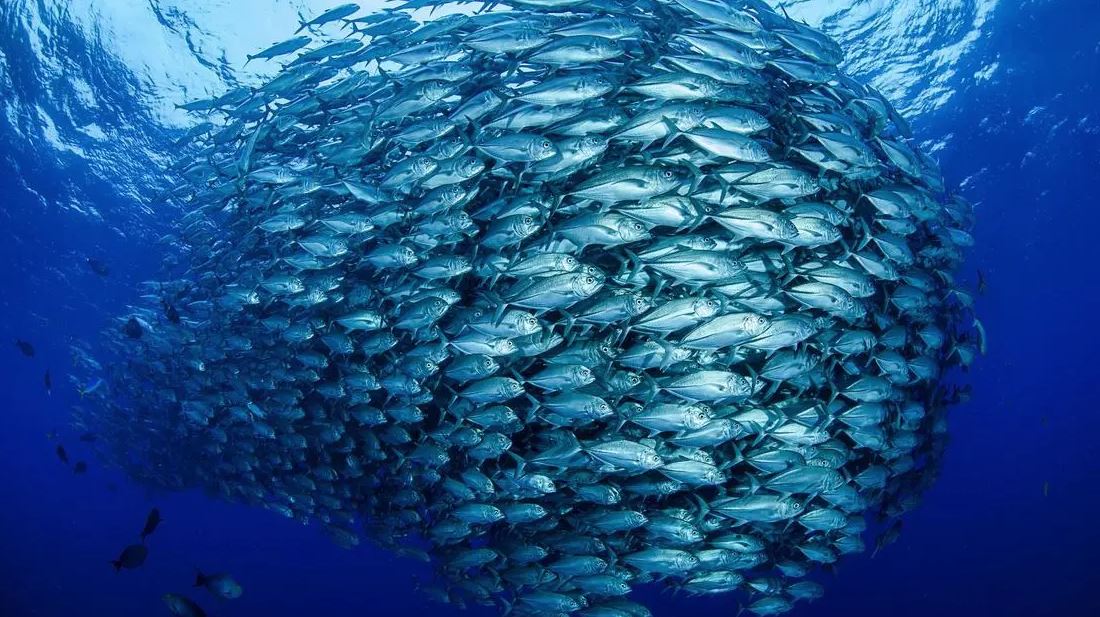
The Ocean as a Living Circulatory System
The vastness of the ocean often inspires images of endless blue stillness, but beneath the surface lies a complex system of moving water that functions like the circulatory system of a living body. These oceanic currents transport heat, nutrients, and oxygen across thousands of kilometers, linking polar seas with tropical reefs and coastal estuaries with the deep abyss. Without them, marine ecosystems would stagnate, and climates on land would swing toward extremes. Scientists refer to this system as the global conveyor belt, or thermohaline circulation, because it is driven by differences in temperature and salinity. The balance of these hidden highways determines not only the survival of plankton drifting at the surface but also the weather patterns that shape human civilization.
Nutrient Pathways and the Food Web
One of the most important roles of ocean currents is the distribution of nutrients. In regions where deep waters rise to the surface in a process called upwelling, currents bring nitrogen, phosphorus, and iron from the dark seafloor to sunlit zones. These nutrients act as fertilizers for microscopic phytoplankton, the base of the marine food web. Entire fisheries, from sardines in Peru to anchovies off the coast of California, depend on these plankton blooms. Larger predators like tuna, seabirds, and marine mammals follow the abundance, creating hotspots of biodiversity linked directly to invisible flows of water. When currents shift due to natural oscillations or human-driven climate change, these food webs destabilize, sometimes collapsing regional fisheries overnight. Understanding the nutrient highways of the ocean is thus essential for both ecology and food security.
Climate Regulation and Heat Transport
Beyond supporting marine life, currents play a decisive role in regulating Earth’s climate. The Gulf Stream, for example, carries warm tropical water northward, releasing heat into the atmosphere and moderating temperatures in Europe. Without it, winters would be far harsher and growing seasons shorter. In the Pacific, oscillations such as El Niño and La Niña arise when surface currents change direction and intensity, redistributing heat across the ocean-atmosphere system. These shifts trigger droughts in some regions and floods in others, affecting agriculture, economies, and livelihoods worldwide. Ocean currents act as global climate engines, buffering extremes and redistributing energy, and any disruption to their patterns carries consequences far beyond coastlines.
Deep-Sea Highways and Carbon Storage
Currents do not only operate at the surface. In the deep ocean, slow-moving streams transport carbon captured from the atmosphere into abyssal reservoirs where it can remain for centuries. This process, known as the biological pump, relies on the sinking of organic particles and the downward pull of cold, dense water. By storing carbon in the depths, the ocean mitigates greenhouse gas concentrations and slows climate change. However, changes in salinity, melting polar ice, and warming waters threaten to weaken these deep-sea highways. If circulation slows, less carbon will be sequestered, amplifying the pace of atmospheric warming. The deep ocean, once thought to be isolated, is now recognized as a critical partner in Earth’s carbon cycle and climate resilience.
The Impact of Human Activity
While the forces that drive currents are natural, human actions are increasingly influencing their behavior. Climate change alters the delicate balance of temperature and salinity that powers thermohaline circulation. Melting ice sheets in Greenland and Antarctica release massive amounts of freshwater, reducing salinity and weakening the sinking of dense water masses. At the same time, rising ocean temperatures make surface waters more buoyant, inhibiting mixing with deeper layers. These disruptions have already been observed, with evidence suggesting that the Atlantic Meridional Overturning Circulation, a key component of the global conveyor belt, has slowed significantly in recent decades. If trends continue, the repercussions will cascade through ecosystems, weather systems, and human societies.
Marine Life on the Move
As currents shift, so too do the creatures that depend on them. Species that once thrived in temperate waters migrate toward the poles, following the transport of nutrients and favorable temperatures. Coral reefs, which rely on stable current patterns to deliver larvae and disperse populations, face disruption as circulation changes. Migratory animals like sea turtles and whales, which have evolved to follow ancient oceanic pathways, must adapt to a moving map of food and breeding grounds. These biological shifts create challenges for conservation, as protected areas may no longer overlap with the regions marine species occupy. The highways of the ocean are in flux, and marine life must navigate these changing routes for survival.
Technology for Mapping Ocean Currents
To understand and predict these hidden highways, scientists rely on an array of technologies. Satellite altimeters measure subtle changes in sea surface height that reveal the movement of currents. Drifting buoys and robotic floats provide direct measurements of temperature, salinity, and velocity from the surface to the deep ocean. Underwater gliders, powered by changes in buoyancy, travel vast distances while collecting data. Supercomputers integrate these measurements into models that forecast the future of circulation patterns under different climate scenarios. These tools not only improve scientific knowledge but also inform fisheries management, disaster preparedness, and climate policy. The better humanity can map the highways of the ocean, the more effectively we can anticipate their impacts.
The Future of the Ocean’s Highways
The highways of the ocean are both ancient and fragile. They have shaped life for millions of years and stabilized the planet’s climate, but they are now being reshaped by human influence in unprecedented ways. The resilience of marine ecosystems and the habitability of Earth depend on their continued function. Protecting polar ice, reducing greenhouse gas emissions, and safeguarding nutrient cycles are not just environmental goals but necessities for preserving the integrity of the global conveyor belt. The unseen highways that link every ocean basin also link humanity to the fate of the sea. To care for them is to secure the future of both marine life and civilization itself.